
Building a home climbing wall is one of the most rewarding upgrades you can make, whether you’re a dedicated climber, a home builder eyeing a standout feature, or just looking for a fresh DIY challenge. Your choice of holds isn’t just a detail; it truly shapes every session. The right holds make your wall exciting, push you to try new things, and fuel steady progress. Let’s dig into choosing holds that match your climbing style so every session is challenging, fun, and fits your goals.
With so many hold shapes, sizes, and colors, it’s easy to feel overwhelmed at first. Every hold, from comfy slopers to razor-thin crimps, serves a purpose. Matching your holds to your climbing style lays the foundation for a wall that you’ll actually want to use year after year.
What Is Your Climbing Discipline?
Think about how you like to climb. Are you a boulderer who’s all about big, powerful moves? Or does your heart race for longer routes that put your endurance to the test? Your main discipline will drive what you need on your home wall.
Boulderers often gravitate toward large, positive holds like jugs and beefy pinches. These are perfect for explosive movement and powerful pulls. If endurance is your focus, load up on crimps and slopers to mimic the pumpy, delicate sequences you find on longer climbs. Zeroing in on your favorite discipline helps you narrow the options and pick holds that make sense for how you climb.
Are You a Beginner or Experienced Climber?
Skill level matters more than most people realize. Beginners often need welcoming, positive holds that help build confidence and good habits. Jugs top that list. They’re comfy, forgiving, and let you focus on footwork and body position without worrying about your grip.
As you progress, start sprinkling in more variety. Try slopers, smaller crimps, and holds that demand subtle movement. Advanced climbers will want tiny crimps, slick slopers, and shallow pockets. These holds mirror serious outdoor challenges and improve finger strength and finesse.
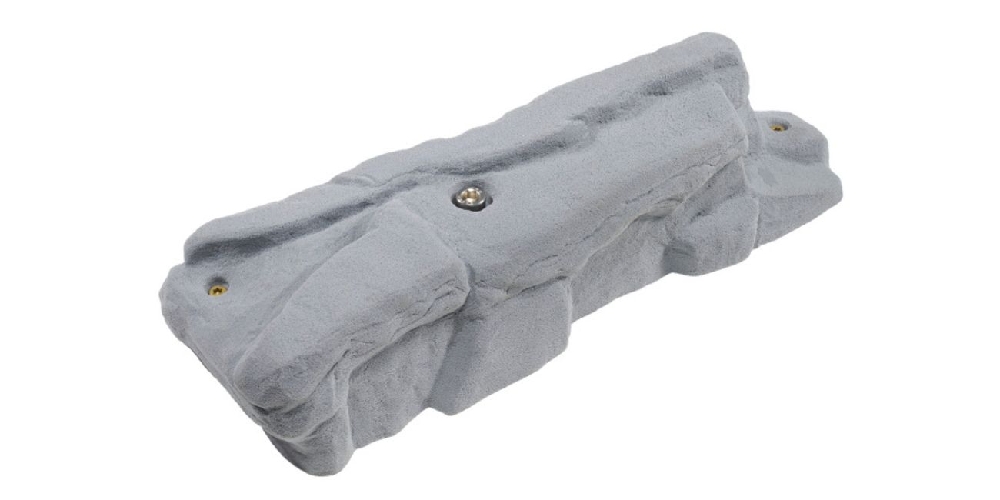
Does Your Wall Support Your Training Goals?
Every wall is a training tool, and the fastest way to see improvement is to choose holds that target your specific goals. Want to improve your finger strength? Plan routes heavy on crimps and pockets. For dynamic movements and explosive power, choose big, widely spaced, positive holds to encourage big reaches and dynos. If core engagement and lock-off strength are on your list, look for side pulls and underclings that force you to stay tight on the wall.
Do You Have Enough Hold Variety?
The best home walls offer a buffet of hold types. Variety not only keeps things interesting but also helps you round out your technique and grip strength. Build your collection from several categories, and your wall will always deliver fresh fun and challenge.
Consider including:
- Jugs are comfortable, positive, and perfect for all levels. They’re ideal for warming up and setting friendlier routes.
- Crimps are great for finger strength, but ease in gradually to avoid injuries.
- Slopers offer rounded, no-edge holds. They're all about friction and body tension.
- Pockets provide finger holes that challenge placement, strength, and tendon durability.
- Pinches offer squeezable holds that develop a unique kind of grip strength.
Should You Start With Jugs and Mini-Jugs?
Every wall needs a solid base of jugs. These are the most approachable holds, letting climbers of every skill level warm up, recover, or just have fun. They’re fantastic for active recovery or for visitors new to climbing.
Mini-jugs are a nice step up, offering the comfort of a jug but ramping up the need for precision. Starting with lots of jugs and mini-jugs ensures your wall works for every session, whether you’re winding down or pushing hard.
Are Crimps Right for Your Progression?
Very few things challenge experienced climbers like crimps, and no home wall feels complete without a few. These are the tiny edges where only your fingertips fit. If you’re new to crimps, choose deeper, incut versions so you can build strength safely.
Want to really crank it up? Add micro crimps to test your precision and raw finger power. Use them wisely in your sessions to avoid overuse injuries. With thoughtful planning, crimps will help your finger strength and confidence soar.
Will Slopers Step Up Your Grip Game?
Slopers keep climbing interesting and technical. With no positive edge, they force you to trust friction and become body-position savvy. Mastering slopers is all about aligning your center of mass and generating maximum surface contact, which is great for developing open-hand strength.
Placement matters too. That easy sloper on a vertical face becomes a beast when rotated or put on steeper terrain. Mix up their positions to create movement variety and addictive challenges.
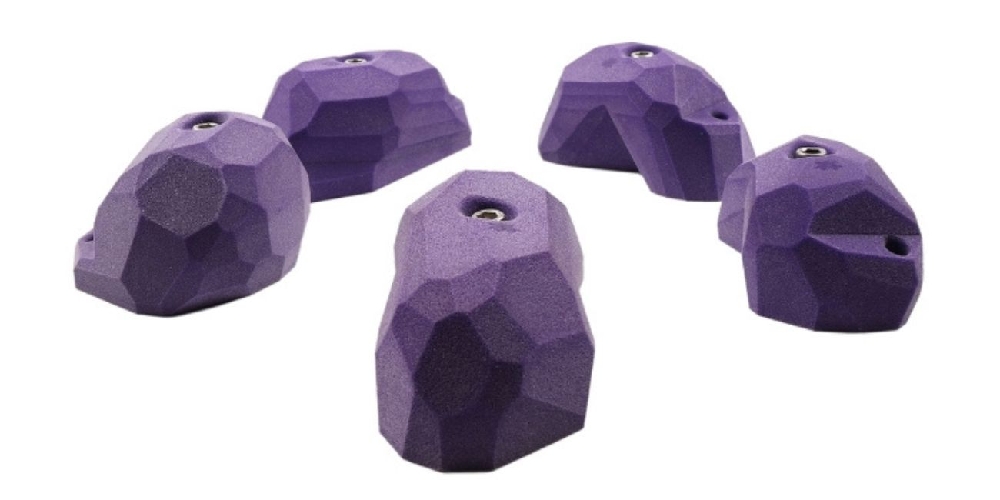
Why Pinches Belong on Every Wall
Grip diversity is everything, and pinches deliver an often-overlooked strength challenge. To hold a pinch, you have to squeeze with your thumb and fingers—completely different muscles than those used for pulling on crimps. Integrating a variety of climbing pinch holds into your routes helps you train balanced hand strength and gives setters the tools to create wickedly creative moves. Pinches work horizontally, vertically, or even at odd angles, delivering endless possibilities for route diversity and progression.
How Do Pockets and Edges Enhance Your Training?
Want to add technical flair to your home wall? Pockets are an easy answer. These holds require single-finger or two-finger placements, which improve your grip accuracy and target underused finger muscles.
Edges, on the other hand, are the “Goldilocks” between crimps and jugs. They range from thin and flat to gently incut, and they teach you how to position fingers and adjust body weight. Combo routes using both pockets and edges simulate the tricky grips you’ll encounter outside.
Why Hold Density Matters for Your Climbing Wall
Don’t just buy holds—plan how many you need for your wall size and climbing goals. If you want powerful, problem-style routes, use fewer, bigger holds and set them farther apart. For endurance and technical movement, more holds spaced closely together make sense.
As a starting point, aim for 15 to 25 holds per 4x8-foot panel. This gives you enough options without overcrowding. You can always ramp up your wall’s hold density as your experience (and obsession) grows. Stock your wall with enough types to keep things fresh, and you’ll stay motivated for years.
Choosing holds that match your climbing style gives your home wall the feel and challenge you crave. Build a collection that fits both your taste and training needs, and you’ll always look forward to the next session.

Leave your comment