
Building or customizing your own indoor climbing wall is an exciting project, especially when it means more time on the wall, fewer trips to the gym, and total control over the routes you climb. But while the physical wall may be solid, the learning curve of actually climbing it can still throw you for a loop.
Whether you’re designing a space for training or just climbing for fun, the way you move on your wall matters. Let’s look at some common mistakes beginner indoor climbers make and how to build better habits from the first grip.
1. Skipping the Warm-Up
Climbing might feel like something you can jump into cold, but skipping a warm-up is one of the fastest ways to get an injury. Your shoulders, fingers, and forearms need a few minutes of low-intensity movement to get blood flowing and muscles activated before any real effort.
The good news? Warming up at home doesn’t require a full gym setup. Jumping jacks, wrist rolls, shoulder circles, and climbing a few easy routes at a slower pace can do the trick. If you’re using a home wall, set aside space or time for a warm-up routine. This small habit that makes a huge difference.
2. Relying Only on Strength
Beginner climbers often rely too much on their upper bodies. This not only tires you out quickly, but it also prevents you from developing balance, footwork, and body awareness, the real keys to climbing smarter, not harder.
Good climbing technique utilizes momentum, positioning your hips effectively, and knowing when to push with your legs rather than pulling with your arms. Even on steep walls, learning to move with control instead of force helps preserve energy and improves overall climbing ability.
3. Underusing Your Feet
Countless beginners fall into the trap of relying too heavily on their hands and neglecting their feet. But footwork is just as important as hand placement. Strong, deliberate foot placements keep your body stable, distribute your weight more efficiently, and reduce the strain on your upper body.
Instead of smearing or scrambling, try to place the toe of your climbing shoe precisely on each hold. Use the edges of your shoes for a better grip and aim to keep your heels low to stay close to the wall.
Solid footwork helps you rest mid-route, conserve energy, and improve your technique on complex problems.
4. Climbing in the Wrong Shoes
Wearing the wrong shoes can make the best indoor wall feel impossible to climb. Proper climbing shoes provide grip, support, and precision you can’t get from standard athletic footwear. They’re designed to help you edge, smear, and toe-hook, giving you more control over your movement.
Beginners should look for a comfortable, neutral climbing shoe that fits snugly without causing pain. A good pair of climbing shoes won’t just protect your feet; they’ll help you learn better climbing habits.
5. Fearing the Fall
Feeling nervous about falling is natural, especially if you’re new to indoor climbing. But letting that fear take over can stop you from trying harder routes, experimenting with technique, or learning how to fall safely. To build confidence, start by practicing falls from low heights onto padded mats. Learn how to land properly: knees slightly bent, arms tucked in, and roll backwards if needed. The more comfortable you are with falling, the more likely you are to push your limits and improve.
6. Overthinking Every Move
Strategizing before a climb is smart. However, second-guessing every hold or hesitating mid-route can throw off your rhythm and drain your energy quickly. Many beginners feel like they need to climb “perfectly,” but climbing is as much about adapting to the wall as it is about planning from the ground.
Rather than freezing at every decision point, focus on maintaining a smooth flow. Trust your body’s instincts and adjust as needed. You’ll learn more by trying and failing than by staying frozen on the wall, waiting for the “right” move to appear.
7. Not Taking Breaks
New climbers are often eager to improve quickly, which can lead to back-to-back climbs with little rest in between. But constant climbing without breaks not only leads to faster fatigue, it also limits how much your muscles and mind can recover and adapt.
Taking short, intentional breaks between attempts gives your body time to flush out lactic acid and your brain time to evaluate what worked (or didn’t). Resting is a key part of building strength, technique, and mental resilience over time.
8. Neglecting Cross-Training
Climbing builds strength, endurance, and coordination; however, focusing solely on climbing can lead to muscular imbalances or overuse injuries. Most beginners skip cross-training because they assume more time on the wall means faster improvement. In reality, incorporating other activities helps build a stronger, more resilient body.
Consider adding yoga, mobility work, or basic strength training to your weekly routine. Light cardio or resistance exercises also improve core stability, shoulder health, and recovery. The goal is to support your climbing with a well-rounded fitness base.
9. Avoiding Sloper Holds
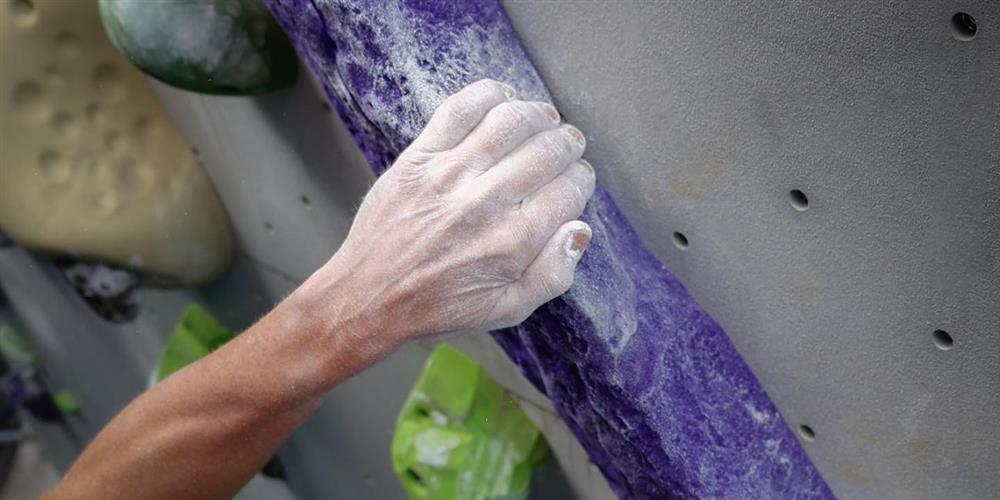
Slopers are often intimidating for new climbers. Unlike crimps or jugs, they lack defined edges, requiring open-hand grip strength and whole-body tension to stay on. Because of this, lots of beginners avoid them altogether, but skipping slopers limits your growth and confidence on the wall.
Working on sloper rock climbing gradually teaches you to trust friction, engage your core, and improve your balance. Start with easier routes that incorporate slopers, and don’t get discouraged if you slip off at first. Mastering slopers is a key step toward becoming a more adaptable and skilled climber.
10. Using Random Hold Placement
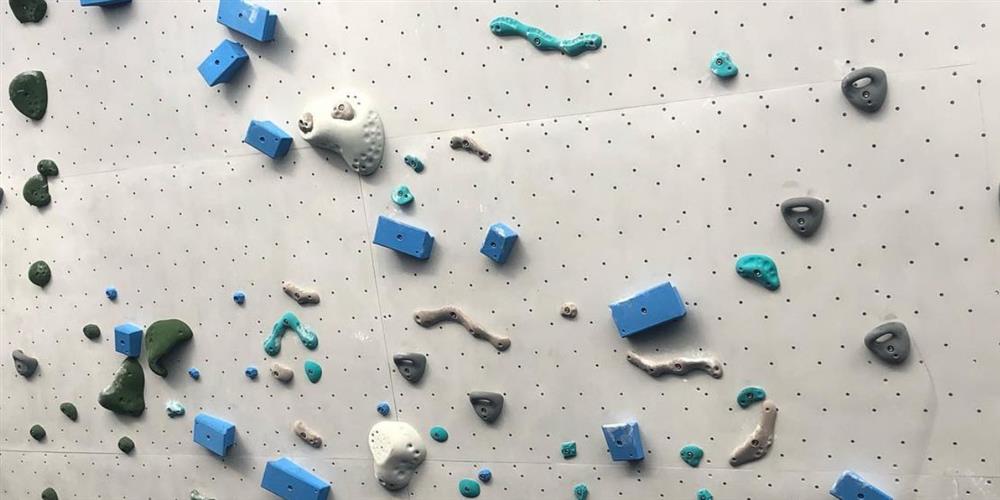
If you're building your own wall or setting routes, tossing holds on at random might seem like a creative choice, but it can lead to inconsistent movement, poor flow, and risky climbing. Beginners, in particular, benefit from clear sequences and logical hand-foot combinations.
Thoughtfully placed holds help build muscle memory, spatial awareness, and confidence. When customizing a wall, think about body positioning, difficulty progression, and grip variety. A well-designed wall can be both fun and educational, making a significant difference in how quickly you improve.
11. Settling for Low-Quality Holds
One of the most common mistakes beginner indoor climbers make is settling for low-quality or worn-out climbing holds. Even if your technique is solid, poorly made holds can make progress feel frustrating. They wear down faster, offer less consistency, and can create safety concerns.
At Atomik Climbing Holds, we know how much your gear matters. That’s why we make every hold here in the U.S. from a polyurethane resin that’s skin-friendly, durable, and reliable. When you’re building skills at home, investing in well-made holds is a smart move that sets you up for success.



Leave your comment