
Creating a home climbing wall for kids is an outstanding way to blend play with healthy movement. It builds confidence, coordination, and strength right in your own space. But there’s more to an amazing climbing wall than just attaching holds to some plywood. A thoughtfully designed wall is safe, exciting, and easy to update as your child grows and learns. Here are some fun and functional design tips for kids’ climbing walls to help you get started.
A great climbing wall starts with considering the age, ability, and interests of your young climber. The wall should evolve with them, always offering the right balance of challenge and fun. Everything, from where you set it up to the colors you use, can make a difference in how much your family enjoys it. Let’s break down what it takes to build something safe, engaging, and truly memorable.
Pick a Spot That Fits
Choosing the right location lays the foundation for everything else. Basements, playrooms, garages, or even sturdy bedroom walls work great as long as there’s good lighting and no hazards nearby. Always double-check that the wall you’re using can easily hold the panels, holds, and active climbers.
Pay close attention to the fall zone. Make sure there’s ample padded flooring for soft landings. Whether you use thick mats, foam tiles, or bonded rubber, having the entire area cushioned is a non-negotiable part of safety. Move furniture and clear out any sharp edges nearby to keep accidents at bay.
Go Horizontal With a Traverse Wall
Starting out, a traverse wall offers huge benefits for little climbers or beginners of any age. By encouraging movement sideways rather than up, it keeps falls low and builds foundational climbing skills.
Horizontal routes help kids master things like precise footwork and shifting their balance, all while staying within a “safe zone.” Try sending a route around a corner or running the length of a long wall. The more ground they cover, the more endurance and creativity they build.
Pick Holds That Fit Every Age
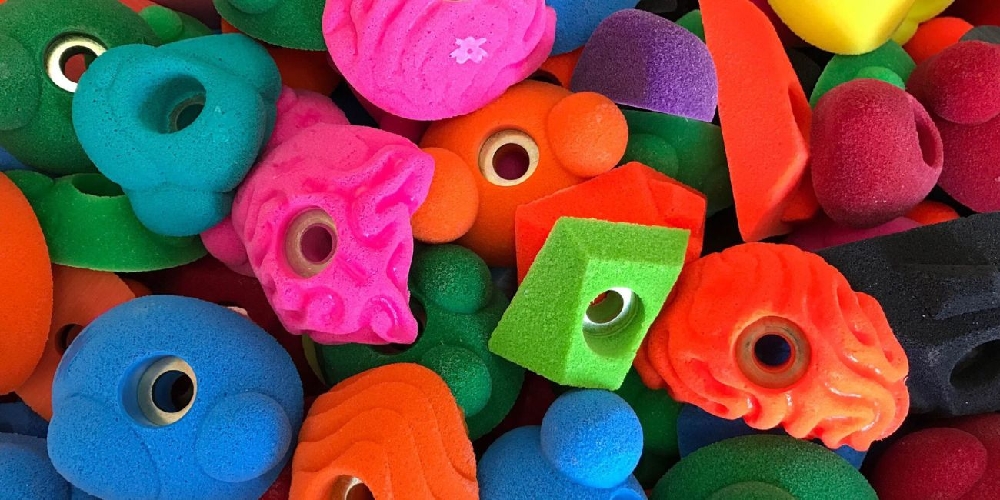
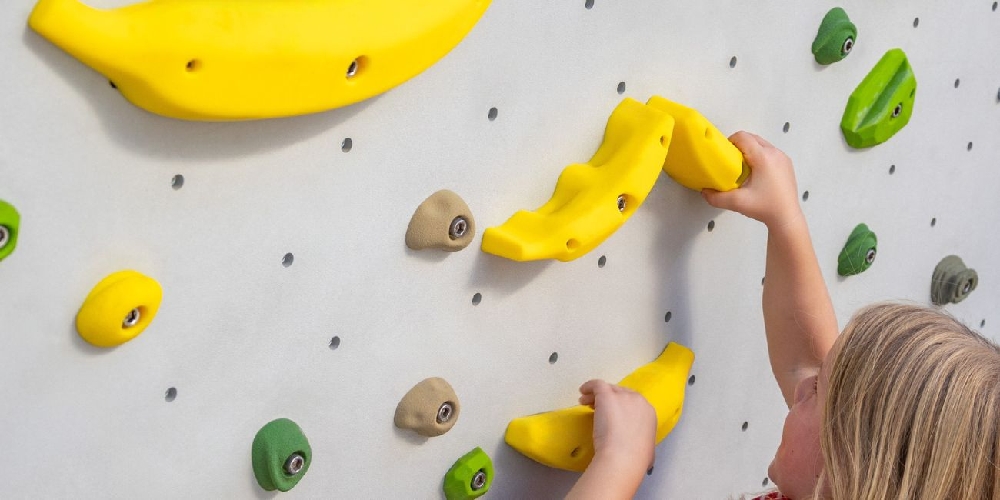
Hold selection is where things get fun. For young kids, large jug holds with deep grips work beautifully. Playful shapes—think animals, letters, or quirky geometric patterns—spark kids’ curiosity and keep them reaching for the next handhold.
As kids build confidence, begin mixing in a few smaller holds. For example, you can add crimps, slopers, and pockets as time goes on. Changing up the hold size and shape boosts finger strength and movement skills. When you provide lots of variety, your wall stays fresh and fun at every stage.
Make It Visually Unforgettable
A climbing wall for kids should fire up their imagination at first glance. Use bright colors for both your base panels and the holds. Try painting a mural with mountain peaks, forests, or even city skylines.
Arrange the holds to create art, patterns, or even spell out names. Laying out routes by color, a tactic straight out of most professional gyms, makes it easier for kids to follow challenges and measure their progress.
Install T-Nuts for Years of Fun
A dense T-nut grid in your wall’s panels is a pro move. T-nuts are the inserts that lock your holds securely into the wood. With a standard pattern (generally 6-8 inches apart), you’ll be able to change up routes as often as you want without needing to drill new holes each time your child levels up.
This flexibility transforms the wall from a one-time project into an ever-changing playground. As your climber’s skills grow, swapping out holds or inventing new challenges becomes part of the fun.
Add Themes and Adventure
Take things to the next level by adding a theme. Maybe outer space, with planet-shaped holds and galactic backgrounds, or a castle adventure where a dragon awaits at the summit. Building a story into your wall motivates kids and keeps them excited about new climbs.
Small touches, like strips of painter’s tape for “lava” or simple stickers marking “treasure,” can turn every climbing session into an imaginative mission. These creative elements keep kids on the wall longer and make the experience uniquely theirs.
Mix Up Your Angles
If space and budget allow, incorporating different angles into your wall will keep climbers challenged. Even a 10- to 15-degree overhang adds intensity and demands more core engagement.
A slab wall (tilted slightly away from vertical) helps kids learn delicate footwork and balance. Mixing vertical, slab, and overhung sections means new skills to master and no risk of boredom.
Build Progression Into Your Design
A dynamic wall should grow with your kids. Start simple, then gradually add route complexity. Your T-nut system makes it easy. Spread holds farther apart, swap in smaller grips, or come up with new route patterns as they improve.
Keep the challenge balanced, so that it’s not so hard that it’s discouraging, but not so easy that it’s dull. Regularly switching things up fosters continuous growth and keeps climbers coming back for more.
- Use large, positive holds close together for beginners.
- Widen gaps between holds as confidence increases.
- Add smaller holds, slopers, or crimps for finger strength.
- Create routes by color or “only left-foot blue holds,” and challenge specific skills.
- Invent problems focused on unique movement patterns or balance.
Make It a Place To Learn
A climbing wall can teach more than just movement. You can turn it into a learning lab! Letter- and number-shaped holds help young kids with basic literacy or math. Set a challenge to reach each letter of their name or hit the numbers in order on their way to the top.
Older kids might enjoy thinking through route sequencing or learning about physics along the way—friction, gravity, and angles are all in play. Route setting becomes an act of creative thinking, especially with a good variety of rock climbing holds to keep things interesting.
Keep Safety Front and Center
Safety never takes a back seat. Always remind kids of the rules: always climb with supervision, don’t jump from the top, and practice controlled falls with bent knees and rolled shoulders.
Inspect your entire setup on a regular basis. Make sure all holds are tight and the wall is sturdy. Bringing kids into the routine check helps them build safe habits and take pride in their wall.
Start Building Today
By following these fun and functional design tips for a kid's climbing wall, you’ll give your child a fantastic place for active play and adventure. It’s one of the best investments you can make for their health, happiness, and confidence.
Ready to build something amazing? Atomik Climbing Holds offers a wide selection of holds in multiple colors and styles to fit your vision. Whether you're starting small or building big, our team can help you find exactly what you need for your home climbing wall. Reach out today to explore your options and bring your climbing wall to life!

Leave your comment