
Reimagining how you use your home can unlock new possibilities for fitness, creativity, and enjoyment, which might mean turning an underused garage into a personalized climbing zone.
Still, the idea brings questions. Is a garage really the best place for it? What limitations should you expect? How do you weigh the benefits against the compromises?
Below, we’ll explore the pros and cons of building a climbing wall in your garage before you commit to that first panel or anchor.
Easy Access Without Travel
Perhaps the biggest advantage of a garage climbing wall is convenience. An at-home climbing wall makes it easier to climb more often, whether you’ve got 30 minutes before work or time to kill on a rainy weekend. There’s no driving across town, no waiting for gym space, and no need to plan around operating hours.
It also helps families. If you’ve got kids, a climbing wall in the garage offers a controlled environment for them to climb, burn off energy, and build confidence—no car rides or expensive day passes required.
Space Limitations Inside Garages
Of course, garages aren’t usually built with climbing in mind. The average ceiling height, usually between 9 and 10 feet, can limit your wall’s vertical range and angle options. You may find the available space restrictive if you’re hoping for steep overhangs or dynamic moves.
Small garages, especially single-bay or converted storage spaces, can also leave little room for fall zones or crash pad placement. It’s worth measuring everything—wall to car clearance, ceiling height, beam placement—before sketching your design.
Multi-Season Use in Any Climate
What’s another major upside to indoor garage walls? They’re usable year-round. You don’t need to wait for mild weather or dry days to train. Snowstorms, summer heat, and spring winds won’t stop your session.
A small space heater and proper insulation can warm the garage in about 10 to 15 minutes. Conversely, swapping the space heater with a portable fan can go a long way toward making the space comfortable in the warmer months. Compared to outdoor walls, garage setups offer far more consistency.
Climate Control Can Be a Hassle
That said, keeping a detached or unfinished garage cozy takes effort. Homeowners in colder regions may find themselves layering up in winter or investing in rigid foam board insulation to retain heat, while those in humid climates may need a dehumidifier or improved ventilation to prevent mold growth and damp air.
Temperature swings can also impact the wall itself. Unsealed plywood may warp, and climbing holds can feel different depending on heat and moisture. Planning can help minimize surprises, though climate may remain a challenge.
Custom Layouts That Fit You
What a garage wall lacks in height, it makes up for in customization. Building your own climbing setup gives you complete control over the angles, wall shape, route setting, and features. Do you want a campus board next to a spray wall? Go for it. Or maybe you prefer vertical panels with big volumes? No problem.
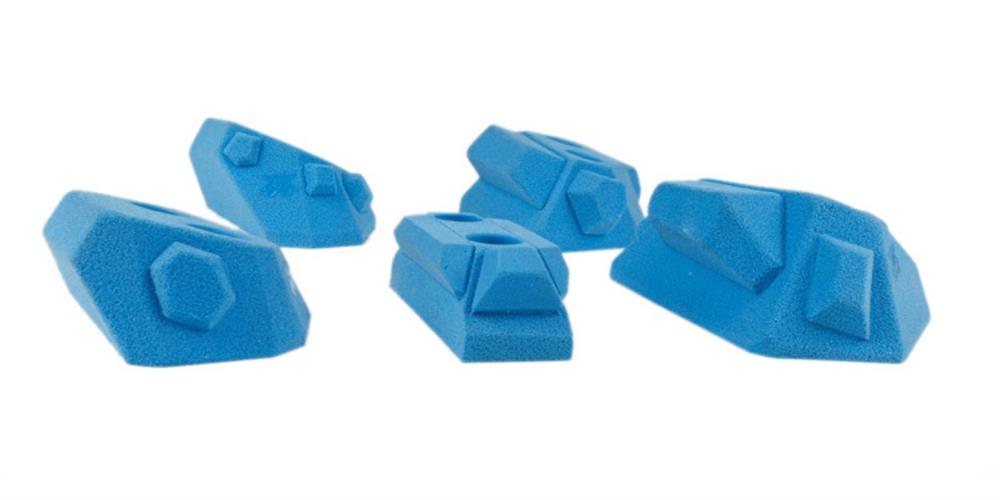
Thoughtful selection of climbing holds for home wall setups can make any compact wall feel dynamic. With the right mix of shapes and textures, you can build in more movement variety, target specific skills, and refresh your routes without changing the wall itself.
Safety and Fall Zones Need Planning
Unlike climbing gyms, garages weren’t designed with fall zones in mind. Depending on your setup, there may be limited space for mats, crash pads, or clean landings. This is especially true in smaller garages or shared spaces where you’re working around storage bins, tools, or vehicle access.
Climbing near concrete flooring, exposed shelving, or other hard surfaces increases the chance of injury. Detached garages also present a small but significant risk: You may be farther from help or without quick access to first aid if something goes wrong. Taking time to prep the area for safe falls isn’t optional; it’s part of the build.
Adds Personality to the Home
A garage climbing wall doesn’t have to be utilitarian. For many homeowners, it becomes a defining feature—a creative, active space that brings energy and purpose to a part of the home that may have otherwise gone overlooked. Some turn a single garage bay into a minimalist vertical wall with soft lighting and training tools. Others transform double garages into full bouldering studios with spray walls, system boards, and even built-in hangboards.
It can also serve as a conversation starter or gathering spot. A garage wall adds a personal touch that reflects your interests and lifestyle, whether you’re hosting a climbing partner for a session or sharing the space with friends and family.

Permanent Changes and Home Resale
Building a climbing wall may require permanent alterations if you’re anchoring into ceiling joists or adding angled framing. Removing the wall later means patching holes, repainting, or replacing drywall. A finished garage may involve more work than you might expect.
There’s also the question of future buyers. While fellow climbers might see the wall as a huge perk, others may view it as a hassle or an expense to undo. If resale is on your mind, consider designs that are easier to reverse or limit major structural changes where possible.
It’s as Simple—or Complex—as You Make It
Erecting a garage climbing wall can be surprisingly approachable. You can complete most of the work for smaller, vertical setups in a weekend using standard tools, such as a drill, circular saw, and stud finder. That simplicity is a plus for homeowners who want a quick win.
But going bigger introduces more complexity. Designing a multi-panel wall with angles or a freestanding structure takes time and precision. Measuring garage dimensions, mapping fall zones, and selecting materials add to the planning phase. Sketching out your layout in advance and evaluating how it fits within your garage footprint can save hours of adjustment later.
Build With Purpose
Seeing your wall as more than just a project can help you when thinking long-term. It’s an investment in your space, your routine, and your goals. That’s why it’s worth weighing the pros and cons of building a climbing wall in your garage before jumping in. The right build can last for years—if not decades—with only minor updates along the way.
Atomik Climbing Holds produces climbing wall holds that last. We manufacture our holds using polyurethane resin that’s completely inert and safe for humans and animals. We source raw materials and craft every climbing hold right here in the U.S., because we believe your garage deserves gear that’s built to last.
If you’re ready to build your wall, start with Atomik Climbing Holds.



Leave your comment