
Indoor climbing can look intimidating at first glance. Walls covered in tiny edges and unusual shapes can make it seem like you need serious finger strength just to get started. In reality, most climbers begin with the friendliest handholds in indoor climbing—large, comfortable grips that make learning movement feel natural. These welcoming holds help beginners build confidence, practice technique, and stay on the wall longer without burning out.
Known as jugs, these positive holds are a cornerstone of indoor routes and home wall designs. Whether you’re setting beginner problems, building a family wall, or warming up before harder attempts, jugs help create climbs that feel encouraging and rewarding.
What Makes a Climbing Hold Feel Friendly?
Not all climbing holds feel the same when you grab them. Some demand precise finger strength, while others welcome your whole hand. The friendliest holds share a few characteristics that make them comfortable and intuitive.
A friendly hold usually has a deep edge or curved lip that your fingers can wrap around easily. Instead of relying on friction or exact finger placement, you can grab it confidently with your full hand. That sense of security is exactly what beginners need while learning balance, body positioning, and footwork.
These holds also make longer sessions possible. When climbers aren’t fighting for every grip, they can focus on movement patterns and route reading instead of simply hanging on. On most indoor walls, these positive grips form the foundation that helps climbers build skills before progressing to smaller holds.
Why Jugs Are the Friendliest Handholds in Indoor Climbing
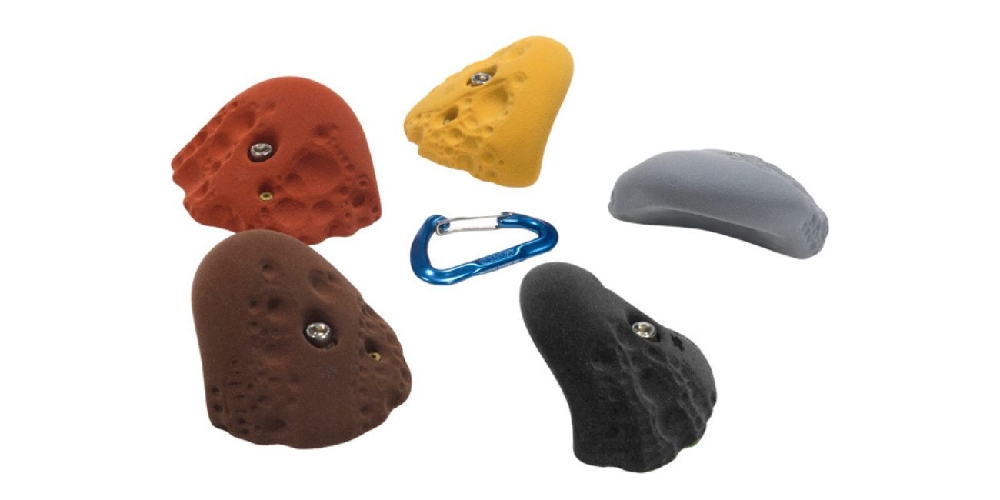
Jugs are widely considered the most approachable holds on any climbing wall. They feature deep, positive edges that allow climbers to wrap their fingers comfortably and pull with confidence. That simple design makes them accessible for beginners and useful for experienced climbers alike.
Because of their shape, jugs place less strain on the fingers and forearms. Climbers can relax their grip, shake out their arms, and reset before tackling the next move. That’s why setters often place jugs at key moments along a route, especially on beginner climbs.
For new climbers, jugs create a welcoming learning environment. Instead of worrying about slipping off a hold, climbers can focus on rhythm, balance, and movement. Even advanced climbers appreciate jugs as warm-up holds or rest positions during longer climbs.
Where You’ll See Jug Holds Used on Indoor Walls
Friendly holds appear throughout climbing gyms and home setups because they support many climbing styles and training goals. Route setters rely on them whenever a climb needs to feel welcoming, teach movement, or provide a natural resting spot.
These placements help climbers build confidence while keeping the route enjoyable and approachable.
Common places you’ll see jug holds include:
- Beginner routes designed to build confidence
- Warm-up problems before harder climbs
- Rest positions on longer routes
- Kids’ climbing walls and youth programs
- Training walls where climbers practice movement patterns
In each situation, jugs allow climbers to stay on the wall longer and focus on technique instead of simply holding on.
How Friendly Holds Help Climbers Build Skills
Although jugs feel comfortable, they’re far more than beginner holds. They play an important role in building strong climbing fundamentals.
One major benefit is the freedom to focus on footwork. When the handholds feel secure, climbers can pay closer attention to foot placement and body positioning. Learning to trust your feet early makes climbing smoother and more efficient.
Jugs also allow climbers to practice movement sequences. Route setters can space them farther apart to encourage dynamic moves or place them closer together for technical transitions. That flexibility helps climbers experiment with balance, coordination, and body tension.
Over time, the movement confidence developed on jug-heavy routes prepares climbers to handle smaller edges, slopers, and more technical hold types.
Why Every Home Climbing Wall Needs Jug Holds
If you’re building a climbing wall at home, jug holds should be one of the first additions to your collection. They create a versatile foundation that works for climbers of all skill levels.
Beginners can use jugs to learn basic movement patterns and build confidence. More experienced climbers often use them for warm-ups, endurance circuits, or movement drills before tackling harder problems.
A wall filled only with difficult holds can quickly become frustrating. Mixing jug holds into your layout keeps sessions fun while still supporting progression.
As a starting point, many home wall builders aim for roughly 15–25 holds per 4x8-foot panel. This density provides enough variety to experiment with routes while leaving room to rotate holds and reset problems over time.
How Route Setters Use Jugs Creatively
Jugs offer plenty of creative possibilities for route setters. Small adjustments in placement or orientation can completely change how a climb feels.
Spacing between jug holds affects movement style. Wide spacing encourages powerful reaches and dynamic moves, while closer spacing promotes controlled transitions and balance.
Setters can also rotate jugs to change how climbers interact with them. A sideways jug may act like a side pull, while one angled downward might require strong body tension to stay on the wall.
Even steep overhangs often rely on jug holds. The wall angle increases the difficulty, while the positive grip keeps the climb achievable and fun.
What To Look For When Choosing Jug Holds
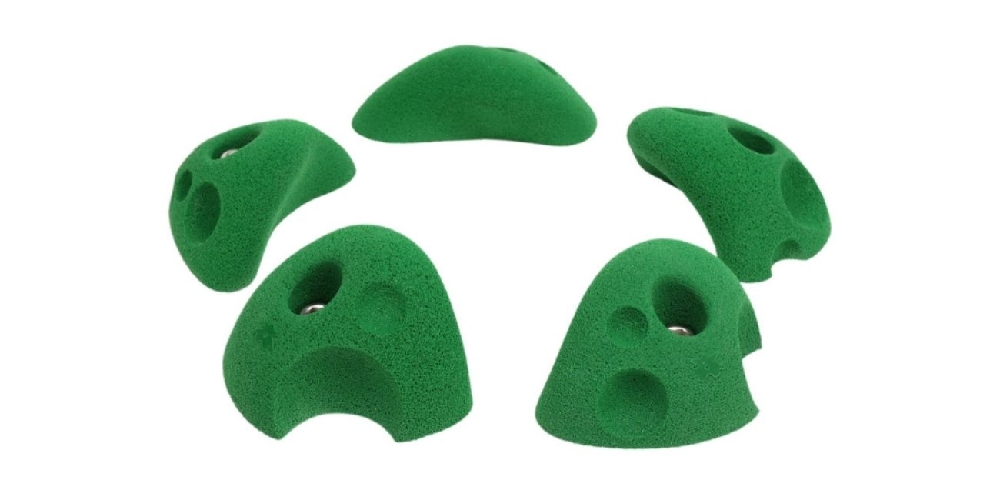
Not all jug holds feel the same. Material quality, texture, and shape all influence how comfortable and durable they are during regular use.
When selecting holds for your wall, look for designs that balance comfort with long-term durability. A well-shaped jug should feel secure in the hand while supporting different movement styles.
Key qualities to consider include:
- Deep, ergonomic shapes that fit the hand naturally
- Durable polyurethane construction for long-term use
- Textures designed to mimic natural rock friction
- Secure bolt-on mounting for stable installation
- Color options that help define routes and training problems
High-quality materials also make a difference over time. Durable polyurethane holds maintain their texture and structure, helping climbers enjoy consistent friction session after session.
Why Friendly Holds Make Climbing More Accessible
Indoor climbing thrives because it welcomes climbers of every background and ability level. Friendly handholds play a big role in creating that welcoming environment.
When beginners step onto a wall and grab a comfortable hold, the sport immediately feels more approachable. Instead of intimidation, they experience movement, progress, and fun.
Those positive early experiences keep climbers coming back. As confidence grows, many climbers naturally start exploring more technical holds and challenging routes.
From youth programs to home gyms, jug holds often provide that first encouraging step into climbing.
Build a Climbing Wall That Climbers Love
The friendliest handholds in indoor climbing aren’t just beginner tools. They’re essential building blocks for great routes and enjoyable training sessions. From teaching movement basics to creating rest points on longer climbs, jug holds help climbers stay on the wall longer and enjoy the process of improving.
If you’re designing a home wall or refreshing your hold collection, starting with reliable climbing wall jugs creates a welcoming foundation for climbers of every level. Comfortable, positive grips support longer sessions and more creative route setting.
Ready to build your perfect wall? Explore Atomik Climbing Holds’ selection of durable polyurethane holds designed for comfort, variety, and long-term performance. With 44 custom color options, three texture choices that feel like clean sandstone, and manufacturer-direct turnaround in 1–5 business days, you can upgrade your wall and start climbing sooner.



Leave your comment