
On the sharp end or halfway up the gym wall, you know the value of a big, bomber hold. The instant your hands wrap around it, your whole body breathes out a sigh of relief. But what really turns a quick shake-out into a lasting advantage comes down to your mindset. Tapping into the psychology of resting on big holds during a climb can turn those brief pauses into game-changers, helping you push past your limits and climb smarter.
A good rest isn’t just about catching your breath; it’s a reset for your mind as much as your muscles. When you pause to breathe, size up your line, and let your brain catch up with your body, you’re setting yourself up for smart climbing. Whether you’re new to the sport, hanging on your first home setup, or you’ve been scaling walls for years, perfecting a rest rivals the crux move itself. Let’s break down what’s actually going on upstairs when you use a big hold for a breather.
Regulate Your Breathing for a Mental Reset
When things get tough, your breath gets ragged. Your heart races and your grip tightens. These are classic signs your brain thinks danger is on the horizon. Landing on a reliable, oversized hold gives you the chance to flip that script.
Make a habit of slow, deep breaths while you rest. Fill your belly by breathing through your nose, then let it all out through your mouth. This rhythm, sometimes called diaphragmatic breathing, tells your nervous system to relax. As your heart rate settles, your mind gets sharper, and you’re ready to take on whatever’s next.
Shift From Raw Nerves To Strategic Thinking
We’ve all faced that jolt of fear high on the wall. When nerves close in, your attention focuses solely on not falling, and that’s no way to climb well. Resting securely lets you dial back the instinctual panic and reboot your brain for the puzzle ahead.
Take this pause to look up, spot your next sequence, and plan where your feet and hands need to land. Breaking routes down into smaller mini-goals takes away that towering sense of overwhelm. Now, instead of climbing scared, you’re climbing smart.
Rediscover Trust in Your Body and Your Gear
A quality rest is about more than hanging limp; it’s a chance to reconnect with your skills and the tools keeping you safe. Feel that solid contact between your shoe and the wall. Notice your harness doing its job.
That brief awareness rebuilds trust. You know your gear will back you up, and your body remembers how to move. This sort of check-in quiets that skeptical inner voice, especially when you’re worn out or doubting the next move.
Pace Yourself for Lasting Energy
Resting isn’t just about standing still; it’s about pacing to make your power last. Rush through, or loiter too long, and you’re burning through reserves or getting cold. Your job is to pay attention to what your body demands at the current moment.
Sometimes, all it takes is a couple of arm shakes and some steady breaths. Other times, you need real downtime to shake out that pump before an intense section. Listen honestly to your body’s warning signs; that’s how seasoned climbers make it to the top.
Save Your Mental Gas for the Hard Parts
Climbing eats up brainpower along with muscle. Every decision—foot placement, hold choice, adjusting your center of gravity—drains your focus. Take advantage of big rests to let your mind reset.
A quick mental recharge while you pause saves critical energy for the real standoffs, like the crux. Hitting the hardest moves with a clear mind can make all the difference between a clean send and a barn door swing.
Nail Down the Right Stance for Your Rest
Resting well depends on your posture as much as your mindset. Locking in a no-hands or straight-arm stance gives your muscles a true break. Drop your hips, let your arms go straight, and let your skeleton, not your fingers, do the work.
When you find that sweet spot, your mind understands that you’re safe. The more stable you feel, the deeper you relax. Test out different postures on those big holds until you land on what helps you really reset.
Talk Yourself Up, Not Down
Rest time is prime territory for your inner monologue to run wild. It’s easy for you to start ruminating on negative thoughts. Instead, take charge and swap those thoughts for better ones.
Simple as it seems, talking yourself up keeps your drive high and builds mental toughness. That running positive commentary will do more for your send than you think.
Dial In Your Rhythm on the Wall
Climbing isn’t a sprint; it’s a series of moves, pauses, and shifts. Finding your own climbing rhythm is a hidden superpower. If you race hold to hold, you lose precious efficiency. But pause on a massive hold, and you can actually get ahead.
Try these pro moves to find your flow.
- Sync your breath with your moves.
- Alternate shaking out each arm for even recovery.
- Always scan ahead before launching into the next stretch.
- Trust your instincts on pace, even if it’s slower or faster than someone else’s.
Stick to your rhythm, and climbs suddenly feel smoother and more controlled.
Let Rest Time Fuel Visualization
Visualization is a legit mental edge. On a big rest, close your eyes briefly and play out the next moves in your mind. Picture yourself making each shift cleanly, with confidence.
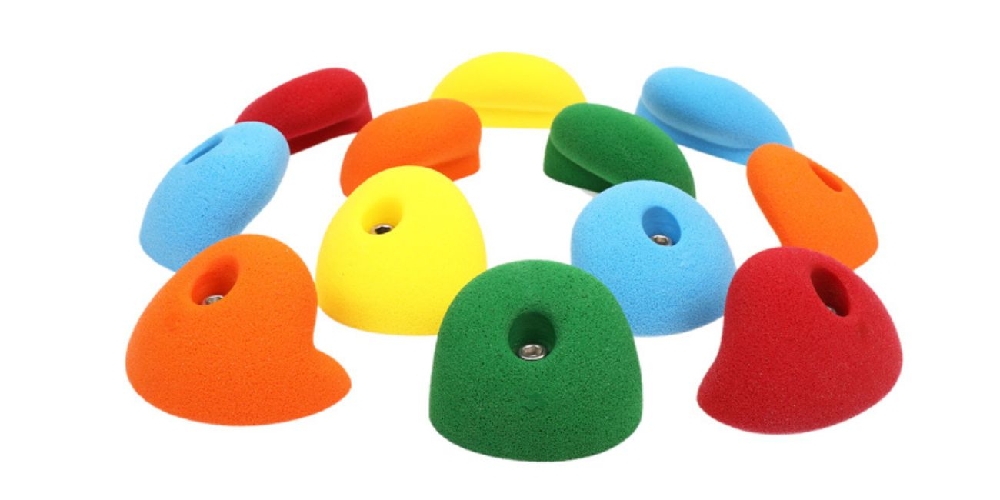
Here’s where those massive, friendly climbing jugs shine. The sheer security of these holds lets you go all-in on visualizing your beta. It’s not just about preparing your muscle memory; it’s about locking in your strategy, so when you transition off the rest, everything clicks.
Treat Resting as Smart Climbing
If you treat rests like surrender, you’re missing the point. The best climbers see rests as a calculated move, just as vital as pulling through the next hard sequence.
Every pause is a small victory—a choice to climb smarter, not just harder. By honoring these moments, you train yourself to partner with your body to tackle the climb, not just to muscle through.
Cracking the psychology of resting on big holds during a climb is about more than holding off fatigue. It’s about mixing mental grit with technical skill, and using every pause as an advantage. Slow your breathing, stay sharp, and treat each rest not as a break from climbing, but as a major part of sending your project.



Leave your comment