
Color does more than make your wall look good. It shapes how you move, think, and progress every time you climb. When you start paying attention to the role of color in routesetting and training, you begin to see it as a tool, not just a design choice. From beginner-friendly routes to technical sequences, color helps define the experience before you even leave the ground.
Whether you're setting for a home wall or refining a commercial space, using color intentionally turns a random layout into something purposeful. It keeps climbers focused, makes routes easier to read, and adds a layer of structure that supports real progression.
Why Does Color Matter in Routesetting?
Color is one of the first things climbers notice when they step up to a wall. It gives instant direction, showing where a route begins, how it flows, and where it ends. Without that visual clarity, every climb turns into guesswork.
For setters, color is a way to communicate movement. You’re not just placing holds. You’re shaping how someone moves along the wall. A single-color route removes distractions and lets climbers focus on body position, timing, and control.
It also improves flow. When the path is clear, climbers move with more confidence and less hesitation. That rhythm is what makes a route feel good instead of awkward.
How Does Color Define Route Difficulty?
Color is one of the simplest ways to organize difficulty, and when it’s done well, it makes your wall instantly more usable. Climbers can scan the wall and know where they fit without second-guessing every route.
Instead of relying only on tags, color builds a visual progression system. Over time, climbers start associating certain colors with certain challenges, which naturally pushes them forward.
A straightforward setup might look like this:
- Bright, bold colors for beginner routes using large, positive holds
- Mid-tone colors for intermediate routes with mixed grip types
- Neutral or darker tones for advanced routes with smaller holds
- Mixed-color sequences for complex, problem-solving challenges
The key is consistency. Once your system is in place, keeping it steady makes your wall easier to read and more enjoyable to climb.
There's psychology behind these pairings. Bright colors like yellow and orange feel approachable. They signal accessibility before anyone touches a hold.
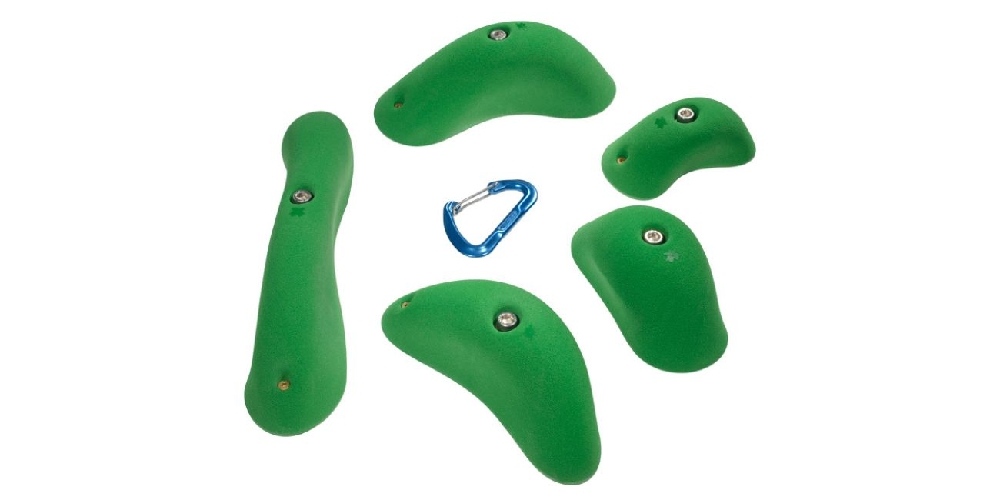
As difficulty increases, cooler or muted tones like blue and gray create visual separation that matches the focus harder routes demand. This also reduces cognitive load for beginners who learn to trust that green always means beginner-friendly, letting them spend less energy second-guessing and more energy actually climbing.
How Does Color Shape Movement and Creativity?
Your color choice influences how people climb the wall. When you limit a route to one color, you guide the intended sequence more tightly. Climbers follow the path you set, which reinforces specific movement patterns.
When you start mixing colors, everything opens up. Climbers experiment more, try different beta (the sequence of moves used to complete a climb), and find creative solutions you might not have planned.
You can also use color to signal movement style more specifically. A sequence built around climbing wall pinch holds in a single color immediately cues the climber to expect squeezing, tension, and more controlled movement. Before the first move, they already know what kind of effort the route demands.
Color sets the tone. It shapes expectations and gives each route its own personality.
How Can You Use Color for Structured Training?
Color-coded routes make training more intentional without adding complexity. Instead of climbing whatever looks interesting, you can build sessions around specific goals.
This approach helps you stay focused and makes it easier to repeat sessions over time.
Try structuring sessions like this:
- Assign one color for endurance circuits and continuous movement.
- Use another color for power-focused problems with larger, dynamic moves.
- Dedicate a color to technique drills like footwork, balance, and positioning.
- Rotate colors weekly to refresh your sessions without resetting the wall.
Color also gives you a clear sense of progress. When a route that once felt out of reach starts to feel controlled, it’s easy to see how far you’ve come.
How Should You Choose Colors for Your Wall?
Color choice isn’t just about looks. It affects how easy your wall is to read. If routes blend together or disappear into the wall, climbers lose that sense of flow.
Start with contrast. Holds should stand out clearly from both the wall panels and other routes. Good visibility makes a huge difference in how a route feels.
When planning your color setup, focus on:
- A strong contrast between the hold colors and the wall surfaces
- Clear separation between different route colors
- Consistent use of colors across difficulty levels
- Lighting conditions that affect visibility indoors
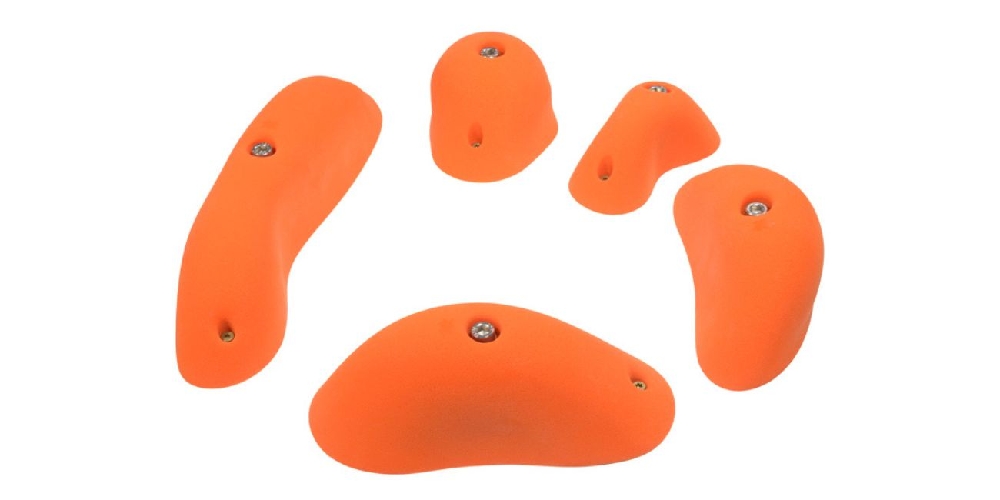
If you’re building a home wall, having access to a wide range of colors makes this much easier. It gives you the flexibility to balance aesthetics with function so your routes stay clean and readable.
How Can You Keep Your Wall Fresh?
Even well-set routes can start to feel stale after a while. The good news is you don't need to abandon your color system to keep things interesting.
Instead of reassigning what colors mean, focus on rotating which holds get used within each color. Swap out worn holds for fresh ones in the same color tier. This keeps your system consistent while changing how routes actually climb.
You can also add new routes in underused colors or retire routes that have been up too long. The color stays tied to the same difficulty level, but the movement and sequences change. That's enough to make your wall feel new without confusing anyone about what each color represents.
Small, intentional updates work better than complete overhauls. Your color system stays intact, and climbers keep the trust they've built with it.
Why Color Matters More Than You Think
Color plays a bigger role in routesetting and training than most people expect. It shapes how routes are read, how movement flows, and how climbers track their progress over time. When you use it with intention, your wall becomes more than just a training space.
If you’re building or upgrading your setup, think about color early. It’s not just a finishing touch; it’s part of how the wall performs.
Ready to build routes that climb as good as they look? Explore Atomik Climbing Holds and dial in your wall with durable polyurethane holds, custom color options, and a fast turnaround in 1–5 business days. Set with purpose, train with intention, and keep your wall evolving every session.


Comments