
When you grab a hold, you’re not just pulling on plastic. You’re working with a surface designed for friction, durability, and a specific feel. Understanding the science behind climbing hold materials changes how you set routes and train over time. From texture to density, every detail shapes how you move. If you’ve ever browsed rock climbing holds for sale and wondered what actually separates one from another, it all comes down to material design and how it performs on the wall.
What Materials Are Climbing Holds Made From?
Climbing holds are typically made from polyester resin or polyurethane resin. At first glance, they can look similar, but they behave very differently once you start climbing on them. The material you choose affects the feel and long-term durability.
Polyurethane has become the go-to option for modern holds because it offers a strong balance of durability and lighter weight. It stands up well to repeated use and is less prone to chipping. Polyester tends to be heavier and can feel more brittle over time, especially on walls that see a lot of traffic.
Where this really shows up is in how you use your wall. A home wall that gets reset often benefits from lighter holds that are easier to move around. A shared space or gym setup needs holds that can handle constant wear without breaking down. Matching material to your setup helps your wall stay consistent over time.
Consistency matters just as much as strength. Well-made holds keep their shape, density, and feel across an entire set. That reliability makes route setting smoother and helps you trust what you’re training on.
How Does Texture Affect Grip and Performance?
Texture is where the material really comes to life. It’s not about making holds feel rough. It’s about creating controlled friction that supports movement without tearing up your skin too quickly. The right texture lets you climb longer and with more confidence.
Many high-quality holds are designed to mimic real rock. A clean sandstone-style texture gives you enough grip to stay in control while still forcing you to use proper technique. If the surface is too slick, you lose trust in your hands and feet. If it’s too sharp, your skin gives out before your strength does.
Texture also changes how different holds feel. Slopers rely on friction and body tension, while edges depend more on finger placement and precision. Once you start noticing these differences, you’ll see how texture quietly guides your movement.
Over longer sessions, texture becomes even more important. Holds that strike the right balance let you stay on the wall without constantly fighting skin fatigue. That leads to more productive climbing and better consistency.
Why Do Density and Weight Matter?
Density affects how a hold feels in your hand and how it holds up over time. Denser materials tend to feel more solid and resist wear, which is especially useful on frequently climbed routes. At the same time, weight plays a big role in how your wall handles resets.
Lighter holds reduce the strain on panels and hardware. For home walls, especially those built with plywood and T-nuts, that flexibility makes a noticeable difference. It allows you to experiment with more placements without worrying about overloading the structure.
From a route-setting standpoint, weight also affects how quickly you can make changes. Easier handling means faster resets and more freedom to try new ideas. That flexibility keeps your wall from feeling stale.

How Do Materials Affect Durability Over Time?
Durability is about more than lifespan; it’s about consistency. Holds take a beating from chalk, repeated use, and environmental conditions. The better the material, the longer it keeps its original feel.
Polyurethane holds are built to resist chipping and cracking. They also hold their texture well, which helps maintain friction even after repeated sessions. That consistency is key when you’re working the same moves or tracking progress over time.
Lower-quality materials tend to wear unevenly. That can subtly change how a route feels, even if nothing else has moved. Choosing durable holds helps keep your climbing predictable and reliable.
How Does Manufacturing Influence Hold Quality?
Material is only part of the story. How a hold is made has a huge impact on how it performs. Precision in molding and curing ensures each hold meets the same standard.
One detail that makes a difference is the use of embedded washers in bolt-on holds. These help spread the load from the bolt and reduce wear around the attachment point. It’s a small feature, but it goes a long way toward long-term durability.
Manufacturing quality also shows up in consistency. When holds are produced with tight standards, you can trust that each piece in a set will feel the same. That matters when you’re setting routes that depend on repeatable movement.
It also allows for reliable customization. Consistent production means color options and texture finishes don’t come at the cost of performance.
How Do Materials Shape Route Setting and Training?
Material choice directly affects how routes feel and how climbers move. The interaction between your hand and the hold determines whether a move feels secure, technical, or powerful. When you understand that, you can set with more intention.
Softer-feeling textures can help extend sessions by being easier on the skin. More aggressive textures add technical challenge and demand precision. Finding the right balance keeps your wall engaging without burning you out too quickly.
If you’re building your own wall, this is where things get interesting. When you know the science behind climbing hold materials, you have more control over how your wall feels when climbing. By mixing shapes, textures, and placements, you create a setup that evolves with your goals.
To get more out of your wall, focus on how material and hold selection work together:
- Use more positive, textured holds for warm-ups and longer sessions.
- Add smaller or less forgiving textures to build technical sequences.
- Rotate hold types regularly to avoid repeating the same movement patterns.
- Adjust spacing and wall angle to match your training focus.
Small changes like these keep your wall dynamic. Instead of feeling static, it becomes something you can continually refine as your climbing improves.
Build Smarter With the Right Materials
Choosing the right materials is what turns a basic wall into a dependable training space. When you understand how holds affect grip, durability, and movement, you can build something that actually supports your progression. It’s not just about adding holds. It’s about shaping the experience every time you climb.
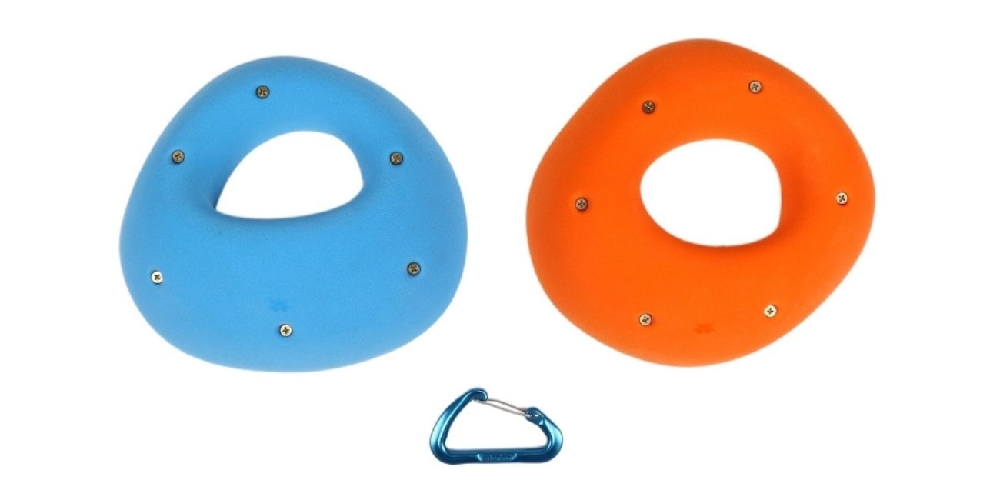
Are you looking for rock climbing holds for sale to upgrade your setup or start fresh? Atomik Climbing Holds offers durable polyurethane holds with a clean sandstone feel, built for consistent performance and backed by a lifetime warranty. With 44 custom color options and fast shipping, you can build your perfect wall with confidence. Explore our full lineup today and start setting routes that keep you coming back.



Leave your comment