Route setting fuels the energy and creativity behind indoor climbing. It turns a bare wall into an adventure, blending challenge, movement, and fun in every sequence. When you dig into understanding route setting in indoor rock climbing, you gain fresh appreciation for every problem you solve and every route you send. Setting is a blend of art and science, pairing technical know-how with creative spark and detailed planning.
It's not just about attaching holds to the wall. The best routes tell a story, leading you through moves that feel intuitive but keep you on your toes. Whether you're a seasoned climber, a home wall builder, or a gym owner, getting the basics of route setting can make climbing more rewarding. Let's break down what goes into crafting climbs that inspire.
What Are the Goals of Route Setting?
Every setter shares a main goal: create routes that are safe, thoughtful, and genuinely fun to climb. Setters want to keep things interesting for all skill levels, from beginners to seasoned crushers.
Routes should help climbers build new skills and approach movement in new ways. They ought to motivate you to try again, even after a fall. Great route setting is about keeping the stoke high and making sure the wall feels fresh, session after session.
How Do Setters Plan a Route?
Route planning kicks off before a single hold comes out. Setters start with a vision—the style of movement they hope to see, whether that's big, dynamic jumps or careful, techy footwork. Wall angles matter. Slab, vertical, or steep sections each offer different possibilities.
Next comes picking a grade. The chosen difficulty influences everything else: hold size and type, distance between holds, and the route’s flow. Successful planning means thinking ahead so every move feels connected, and the climb has a natural start and finish, without any awkward spots.
What Is Forerunning in Route Setting?
Forerunning is the route setter’s secret weapon for quality. Once the holds are up, setters (sometimes with help) climb the route themselves and look for issues.
They pay attention to things like reachy clips, sketchy falls, or moves that don’t match the intended grade. Small tweaks, like rotating a hold or swapping one for another, can make all the difference. This testing loop continues until the climb feels smooth, safe, and satisfying.
How Is a Route Graded for Difficulty?
Assigning grades can spark debate, and most climbers have strong opinions. Grading is always somewhat subjective, though setters rely on standard scales like the Yosemite Decimal System or the V-Scale for bouldering.
Several things guide their decision, such as the:
- Size and shape of the holds
- Space between each hold
- Wall angle and steepness
- Strength and coordination a move requires
- Specific skills, such as heel hooks or dynos
The whole setting team may weigh in during or after forerunning, and the grade can shift based on fresh eyes and early climber feedback.
What Types of Holds Do Setters Use?
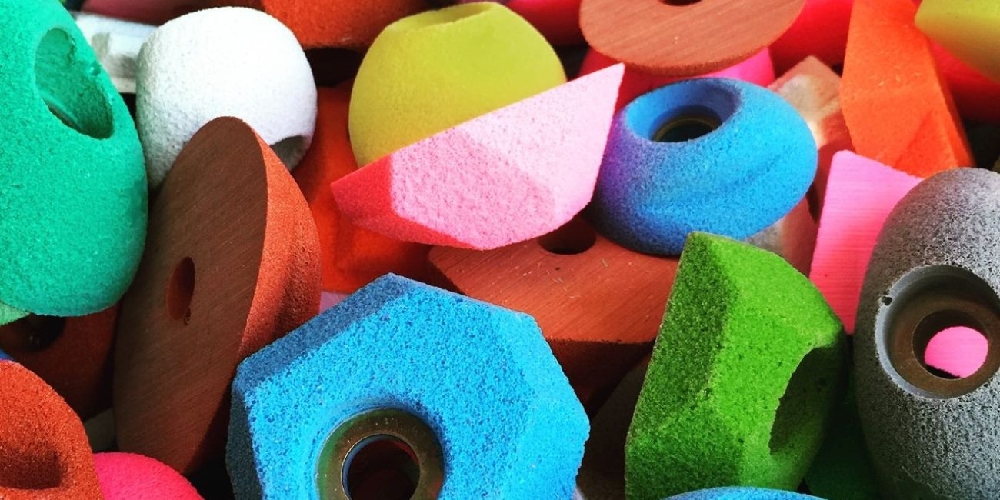
Climbing holds come in an incredible range of shapes and sizes, and every variety changes the style of the climb. Jugs are big, comfy holds for easy grabbing. They’re great for beginners or rest on harder routes.
Crimps challenge finger strength, slopers require friction and finesse, pinches test your grip, and pockets reward accuracy with just a couple of fingers. Setters blend these hold styles to build routes that teach skills and keep sessions lively.
How Does a Wall’s Angle Affect a Route?
Wall angle shapes the route’s personality from the start. Slabs—less than vertical—demand good footwork and careful balance. Climbers learn delicate, precise movement here.
Vertical walls provide a blank slate, letting setters mix things up and test technique, strength, or flexibility. When the wall overhangs, you enter the world of steep climbing. Here, body tension, power, and endurance count most. On these angles, setters usually use bigger holds, so you’re battling gravity but still have the means to tackle steep terrain.
What Makes a Climbing Route “Good”?
A great route shouldn’t just feel hard. It should flow, drawing you from start to finish naturally. Good climbs present a clear challenge and drop hints about how to approach each move.
Consistency makes a difference too. Moves should suit the grade without any single boulder problem in the chain feeling out of place. A smartly set route helps climbers learn something, whether it’s a slick drop-knee or how to trust their feet.
How Does Hold Selection Define a Climb?
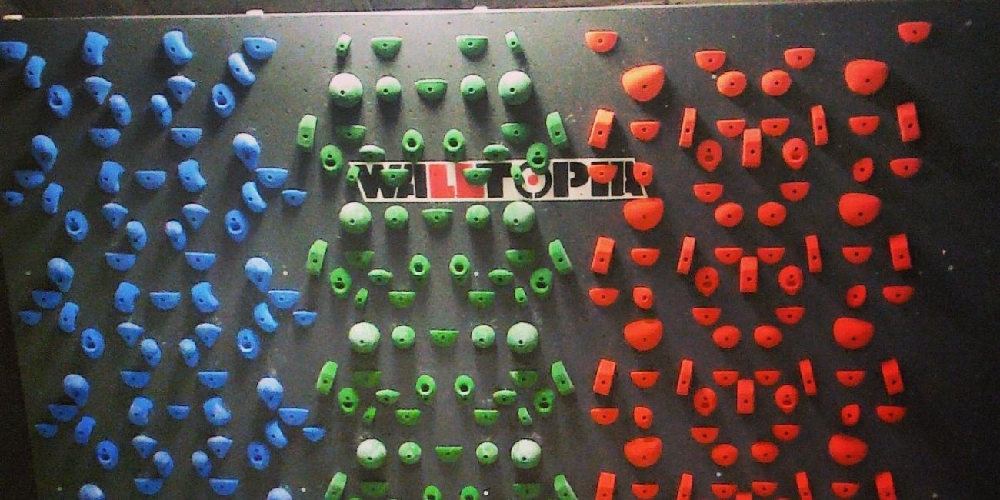
The holds you pick set the tone for every route. Each hold serves up a different style, asking for strength, balance, or clever problem-solving. Stack a string of tiny crimps together, and you’ll create a nail-biter for those who love a finger workout. Fill a route with slopers, and you’re forcing climbers to focus on core strength and body positioning.
Any setter will tell you that hold choice matters as much as wall angle. The nature and material of climbing wall holds, such as grippy polyurethane with unique textures, bring tactile feedback and durability to each climb. Picking the right combo lets setters shape every ascent into a fresh adventure.
How Do Setters Create Movement?
Route setting pushes climbers to move and think in new ways. Setters place holds with intention, guiding you through specific moves, whether you're stretching for a long reach, twisting through an awkward corner, or powering up a big throw.
Spacing between holds dictates whether you’ll need to jump (dyno) or can move slowly and with control. By mixing static and dynamic moves and switching up hold types, setters keep climbs mentally engaging and physically demanding from start to finish.
The Art and Science of Setting
Great route setting is equal parts creativity and precision. Setters combine biomechanical knowledge and an artistic sense, always seeking new ways to challenge, teach, and amuse. The dance between the wall, the holds, and the climber creates climbs that keep you coming back for more. By digging into understanding route setting in indoor rock climbing, you unlock ideas for both enjoying the gym and pushing your own limits.
Ready to level up your wall or create your own masterpiece? Explore our premium polyurethane holds at Atomik Climbing Holds, and enjoy perks like a lifetime warranty, ultra-fast shipping, and expert advice whenever you need it. Our team is always here to help you dream up and build your next climbing adventure. Contact us today and let’s make your project a reality!