
Every climber runs into a plateau sooner or later. You get used to grabbing jugs, crimps, and pinches, and then your progress just kind of stalls out. Here’s the thing: the difference-maker is often right in front of you with the variety of shapes you practice with. When you truly understand how practicing with a variety of hold shapes improves climbing skills, you open up the door to climbing smarter, getting stronger, and building confidence every time you pull on.
A mix of different hold shapes does a lot more than give your wall style. It keeps you sharp, challenging both your body and your mind with every climb. When you push yourself to try new shapes, you start building the kind of strength, technique, and problem-solving skills that set you up for success.
Builds Comprehensive Grip Strength
If you always reach for the same jugs or deep crimps, you’ll get strong in just those areas, leaving gaps in your grip strength elsewhere. Mixing up your grips pushes your fingers, hands, and forearms to adapt, making your strength more well-rounded every time you climb.
You start using muscles that you didn't even realize needed training until you try out different grips. A sharp crimp puts your finger strength front and center, while grabbing a big pinch wakes up your thumbs and palms. Grabbing a variety of shapes lets you spot and work on your weak points, so your hands build all-around strength.
Forces Creative Problem-Solving
Stick with the same old holds, and your brain will go on autopilot. You end up falling into habits, breezing through problems with barely any fresh thinking. Throw a weird or unexpected hold into the mix and everything changes. You have to pause, rethink your movement, and come up with a new plan for tackling the sequence. Odd shapes challenge you to find different solutions and spot creative paths you might have never tried before.
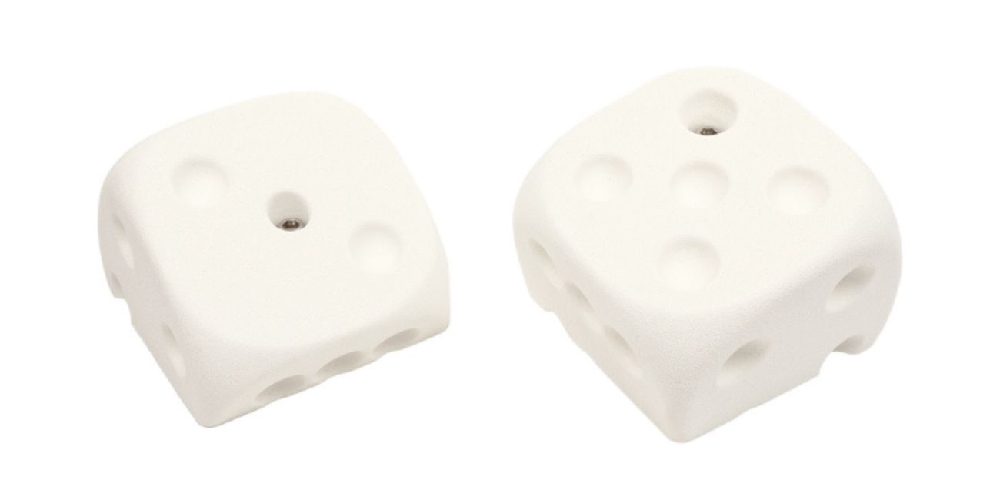
Develops Advanced Footwork Techniques
Mixing up your hold shapes isn’t just a hand game; your footwork benefits, too. Climbing on tiny, slick, or awkwardly angled footholds leaves no room for sloppy steps. You begin to trust your placements, getting dialed in with chips, smears, and odd edges.
Getting this kind of precise footwork teaches you to move with intention. You’ll start powering up with your legs instead of burning out your arms, which makes a big difference when things get tough. Smart foot placements help you stay fresh longer and give you the edge you need when every bit of energy counts.
Simulates Real Rock Conditions
Outdoor routes almost never play fair. One climb might throw slopers, pockets, sidepulls, gastons, and underclings at you—sometimes all on the same pitch. Practicing on a wall loaded with different shapes gets you ready for outdoor climbing. You’ll build up the instincts and movement memory that help you stay relaxed and strategize fast when a tricky move surprises you outside.
A wall covered with diverse shapes trains your body to recognize and handle all kinds of moves. This kind of practice not only builds your ability but also gives you the mental edge to feel ready for anything the outdoors throws at you. When you face a weird outdoor sequence, it feels familiar because you’ve already worked through a similar challenge on your home setup or at the gym.
Refines Body Tension and Core Control
Some holds ask for your whole body to work as one unit. Rounded sloper holds, for example, barely give you anything positive to grip, so just relying on finger strength won’t get you very far. You have to tighten up, keep your core strong, and use every bit of body tension to stay on. This is what helps you move well on steep walls and nail those powerful moves. Training on holds like slopers and big pinches turns your core into a rock-solid base that sets you up for every challenge ahead.
You’ll hear climbers talk about “body tension” all the time, and for good reason. It’s the real secret to sticking powerful moves and holding it together on steep terrain. Certain shapes, like sloper holds and big pinches, make you fire up your core and keep every muscle switched on. Once your core gets strong, everything else falls into place, turning those tricky moves into smooth, controlled climbs.
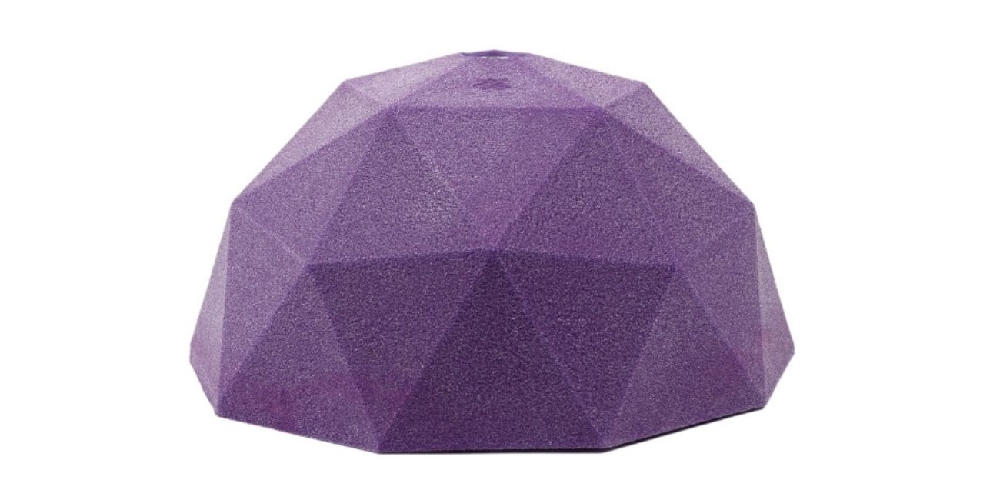
Teaches Nuanced Hand Placements
Anyone can grab a big jug and feel secure, but interesting or awkwardly shaped holds demand more thought and precision. Sometimes, only a tiny spot on that hold actually gives you good purchase, and finding it takes a practiced eye and feel. Learning how to zero in on these “sweet spots” is a real mark of progress and something every advanced climber works to master. Sometimes, that little adjustment is what makes the difference between sticking the move and coming off the wall.
Expands Your Movement Library
Think of your "movement library" as every trick and technique you have mastered on the wall. Stick with the same holds, and you keep that library pretty small. Add new shapes, though, and you open yourself up to fresh ways of moving. Each hold you learn to use adds a tool to your personal climbing kit, making every session a little more interesting and making you a better, more well-rounded climber.
Makes Training More Engaging
Let’s face it—climbing on the same holds every session gets old. Your drive fizzles out, and it’s easy to lose your spark. Switching things up with new hold shapes keeps things lively, turning every session into something you actually look forward to.
Tackling fresh shapes or unlocking a tricky sequence fires up your motivation in a whole new way. The endless variety keeps climbing fun and challenging, as no two sessions ever feel the same.
Improves Proprioception and Body Awareness
Proprioception is your built-in sense of where you are on the wall, even when you can’t see your hands or feet. When you climb on unpredictable, varied holds, you tune into tiny shifts in balance and learn to adjust almost without thinking. This natural feedback loop sharpens with practice, so you become steadier and more confident with each new shape you tackle.
When your body awareness kicks in, your movements feel smoother and less forced. Suddenly, you’re climbing with more intuition, reading the wall and making those subtle shifts that keep you balanced. The better your proprioception, the easier it gets to move with real flow and confidence.
When it comes down to it, practicing with a variety of shape holds improves climbing skills by focusing on always staying adaptable. If you keep challenging yourself with new shapes and different holds, your body gets stronger, your technique gets smarter, and you become a more resilient climber.
Whether you're building a wall at home or picking out routes in a gym, go for variety. Your climbing—and your stoke—will grow every time you mix it up. At Atomik Climbing Holds, we've designed our extensive collection with exactly this philosophy in mind, offering everything from technical crimps to challenging slopers so you can build the diverse training experience your progression demands. Browse our full range of holds and start expanding your movement library today.



Leave your comment