
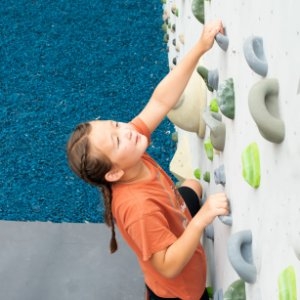
Beginners remember the first hold that feels solid. Chances are, it was a jug: big, positive, easy to grab, and confidence-building from the first move. That is why jugs are essential for beginner climbers. Jugs let beginners focus on movement instead of panic-gripping every hold. They help climbers shift weight, place their feet, and move with control. On a wall for fresh climbers, jugs set the tone for sessions that feel fun and worth repeating.
Why Jugs Build Confidence Early
Beginner climbers need early wins. A wall covered only in tiny edges or awkward slopers can feel frustrating before the climber has a chance to understand the movement. Jugs give new climbers something secure to hold while they figure out how climbing works.
A jug is a large, positive hold with enough depth for the fingers to wrap around. That shape helps beginners relax their grip and think about what comes next. Instead of feeling like they are about to peel off the wall, they can focus on balance.
Confidence matters because climbing is physical and mental. When beginners trust the holds, they are more likely to try another move, another route, or another session. That repetition is where real progress starts.
Jugs also make a wall more welcoming for mixed groups. Kids, first-time climbers, parents, and casual home wall users can all get on the wall without feeling shut down immediately. That makes them a foundation for any beginner-friendly setup.
Why Jugs Teach Better Movement
Good climbing starts with the feet. Beginners often want to pull with their arms, but jugs give them enough security to slow down and learn how to stand up through their legs. That shift changes everything.
When a climber feels stable on their hands, they can start paying attention to foot placement. They can practice stepping quietly and pushing through the toes instead of hanging from bent arms. Those basics carry into every style of climbing.
Jugs are also useful for learning how to move between holds. Beginners can practice matching hands, switching feet, and turning their hips without getting overwhelmed by grip difficulty. The hold feels friendly, but the movement still teaches real climbing skills.
A beginner route should not feel like a ladder, but it should not feel like a punishment either. Well-placed jugs create enough of a challenge to keep climbers engaged while giving them enough support to build clean habits.
Why Jugs Support Route Progression
Beginner progression works best when difficulty increases gradually. Jugs make that easier because setters can adjust the challenge through spacing and wall angle. The grip stays approachable while the movement slowly gets more interesting.
On a vertical wall, jugs can help climbers learn balance and rhythm. On a slight overhang, they introduce body tension without making the route feel impossible. On a kids’ traverse wall, they keep movement low and active.
Route setters can use jugs to build progression in several ways:
- Place holds close together for first-time climbers and young kids.
- Increase spacing as climbers gain reach confidence and movement control.
- Rotate some jugs slightly to encourage better body position.
- Pair jugs with smaller footholds to teach precise stepping.
- Move jug routes onto steeper terrain for a stronger full-body challenge.
Beginners can start with easy wins, then grow into more thoughtful movements without needing a different setup. For home walls, that flexibility matters because the same space often needs to serve different climbers over time.
Why Jugs Belong on Home Walls
Home walls need to be usable. A wall that is too hard from day one may look impressive, but it can become garage decoration fast. Jugs make the wall fun enough to use consistently, especially for families and climbers who are still building strength.
A smart home wall usually includes a mix of hold types. Jugs provide the base, while other shapes add variety as skills grow. That mix keeps the wall from feeling repetitive while still giving beginners reliable starting points.
Hold density matters too. As a starting point, many home wall builders plan around 15 to 25 holds per 4x8-foot panel. A good batch of climbing hold jugs in that mix gives you more route-setting options and more ways to keep beginner movement flowing.
Why Jugs Keep Climbers Engaged
Kids climb with energy and curiosity. Jugs are perfect for kids’ walls because they are easy to see, easy to grab, and easy to arrange into playful paths. Bright colors and big shapes can turn a wall into an adventure instead of a workout.
Jugs also work well for traverse walls, where climbers move sideways instead of high off the ground. A low traverse with big, positive holds helps kids practice balance and sequencing while keeping the climbing experience approachable. It also gives parents or coaches more ways to set short challenges.
Jugs are not only for day one. Experienced climbers use them for warmups, recovery movement, steep routes, and powerful training. That makes them a long-term piece of the wall, not a beginner-only purchase.
This is another reason jugs are essential for beginner climbers and useful long after the beginner stage. They create a bridge between learning the basics and exploring stronger movement. A climber can start on jugs, then use those same holds in new ways as their skills build.
Why Jug Quality Shapes the Session
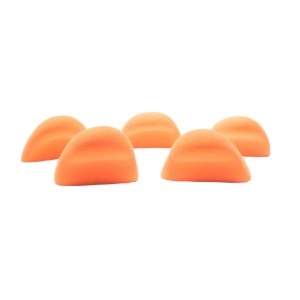
Not all jugs feel the same. Shape, texture, size, and depth all change how a hold climbs. A well-designed jug should feel positive without forcing awkward wrist positions.
Texture matters because beginners are still learning how much pressure to use. A clean sandstone feel gives useful friction without making the hold feel harsh. Durable polyurethane construction also matters, especially on busy home walls and kids’ walls that see repeated use.
Color matters more than many builders expect. Clear color choices make routes easier to follow and help beginners understand which holds belong to their climb. Custom color options can also help home builders and gym operators match a wall’s look without sacrificing function.
For beginner walls, choose jugs with purpose. Look for comfortable grabbing surfaces, useful sizes, and enough variety to create different routes. A wall with only one jug shape can get stale, but a wall with several jug styles keeps movement lively.
Why the First Jug Matters
Jugs give beginners the confidence to climb and the flexibility to keep progressing. They make home walls more inviting and gym routes more approachable for new climbers. When paired with thoughtful route setting, they turn early climbing sessions into something climbers want to repeat.
Ready to build a beginner-friendly wall that still has room to grow? Stock your setup with Atomik’s durable polyurethane jugs, add custom colors that fit your space, and build your perfect wall with holds backed by a lifetime warranty. Explore our catalog today and start setting routes that get new climbers fired up from the first move.



Leave your comment